Retro Pickle Mascot Clipart Review
When I sit down to evaluate a new embroidery file for my own studio or client projects, I am rarely looking for just another cute image. I am looking for viability. Does this design hold up under the tension of a hoop? Will the details survive the stitching process without turning into a muddy blob? Can it actually sell as part of a craft business lineup? Recently, I came across the Retro Pickle Mascot Clipart, and after running some mental simulations on how these vectors would translate to thread, I have some strong thoughts on where this asset fits in the world of commercial embroidery.
First Impressions: Bold Lines Meet Playful Personality
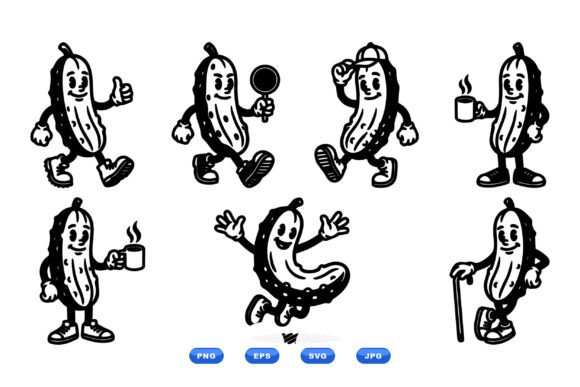
The immediate appeal of the Retro Pickle Mascot Clipart lies in its graphic simplicity. We are seeing a playful retro cartoon pickle character set in bold ink lines. For an embroiderer, bold lines are your best friend. They suggest clear boundaries between colors and shapes, which translates directly to cleaner satin stitches and less confusion during digitizing. The characters shown—walking, jumping, sipping coffee, and holding a magnifier—offer a narrative range that is rare in single-character packs.
This isn’t just a static vegetable; it’s a brandable mascot. The visual personality feels approachable, slightly quirky, and undeniably fun. It screams "lifestyle brand" rather than "novelty gift." When I look at the layout, I see immediate potential for custom apparel and personalized gifts. The retro aesthetic taps into a current market trend where nostalgia meets modern humor. It feels like something you would see on a high-end boutique tote bag or a trendy sticker sheet, which raises the perceived value of the final handmade product.
Real-World Application: From Screen to Stitch
Let’s talk about real use cases. Imagine you are preparing inventory for an upcoming craft fair or updating your Etsy listings. You need items that photograph well and resonate with buyers who appreciate artisanal quality. The Retro Pickle Mascot Clipart is versatile enough to work across several categories.
- Tote Bag Design: A walking or jumping pickle on the front pocket of a canvas tote is a classic combo. The bold lines will stand out against natural cotton or denim, creating a striking embroidered patch effect even if stitched directly onto the fabric.
- Sweatshirt Embroidery: For fall and winter collections, a pickle sipping coffee is a perfect mood piece. On a heather grey or cream sweatshirt, the design adds a touch of whimsy without being overwhelming. It works beautifully as a chest logo or a larger back print.
- Baby Embroidery: The soft, rounded nature of the retro style makes it suitable for nursery decor or baby clothes. However, this requires careful consideration of scale and detail, which we will discuss below.
- Kitchen & Home Goods: An apron or tea towel featuring the coffee-sipping pickle brings humor to the kitchen. These are popular holiday embroidery gifts because they combine utility with charm.
As a small shop product, this design offers high recognition potential. Buyers love mascots because they feel like characters they can connect with. If you are selling digital products, using this as a printable mockup element can help visualize how a customer might use the final item, increasing conversion rates.
Technical Considerations for Embroidery Designers
While the graphic is strong, translating vector art to machine embroidery requires practical judgment. The Retro Pickle Mascot Clipart comes in a ZIP including SVG, EPS, and PNG files. This is excellent for digitizers who need clean source material, but remember that the final result depends entirely on how those files are converted into stitch data.
Where to Use Carefully
Not every surface is created equal. Here is where you need to be cautious:
- Small Hoop Sizes: If you attempt to stitch the detailed corners or the small elements of the magnifier glass in a tiny hoop, you risk losing definition. Always check the hoop size requirements before committing to a small project like a hat brim or a delicate baby onesie.
- Textured and Stretchy Fabrics: While bold lines help, textured fabrics like bouclé or heavy terry cloth can obscure fine details. Similarly, stretchy knits require proper stabilizer usage to prevent distortion. If the base fabric shifts, the "bold ink lines" may warp, ruining the crisp aesthetic.
- Dense Stitch Areas: Ensure the digitized version does not overuse fill stitch in small areas. Too much density can make the fabric stiff and uncomfortable, especially on custom apparel meant for daily wear.
- Dark Fabric Backgrounds: If stitching on dark materials, you must ensure sufficient thread colors and underlay stitches to prevent the fabric color from showing through. Test this thoroughly.
Stitch Clarity and Visual Appeal
The success of this design hinges on the balance between satin stitch outlines and internal detailing. The bold ink lines suggest that the outline should be prominent, perhaps using a contrasting thread color to pop against the fill. This technique enhances brand consistency and makes the logo more legible from a distance.
For apparel decorators, paying attention to stitch density is crucial. A lower density can give a softer, more vintage look that complements the retro theme, while a higher density ensures durability for frequent washing. Since these items are often intended as long-term keepsakes or regular-use goods, durability is key to maintaining customer trust.
Practical Designer Notes Before You Start
Before you upload this file to your machine or send it to a production partner, follow these steps to ensure a professional outcome:
- Test on Scrap Fabric: Never assume a design will work perfectly on your target material. Run a test stitch on a scrap of the actual fabric you plan to use. Check for puckering, thread breaks, or color bleeding.
- Review Stitch Density: Inspect the digitized file (if you are doing the digitizing) or request a sample. Look for areas where stitches might overlap excessively or leave gaps.
- Check Thread Color Contrast: Use black and white mockups to verify that the design remains distinct regardless of color. High contrast generally leads to better readability in embroidery.
- Confirm Licensing: This is critical for Etsy sellers and digital product sellers. Verify whether the license allows for commercial use of finished physical goods. Some assets are for personal use only, and violating this can lead to serious legal issues.
- Inspect Small Details: Zoom in on the magnifier handle or the facial features. Are they too small to stitch clearly? If so, consider simplifying the design or scaling it up.
Final Verdict
The Retro Pickle Mascot Clipart is a strong candidate for designers looking to add personality to their design assets. Its bold, clean lines and charming character set make it highly adaptable for various embroidery projects, from tote bags to aprons. It strikes a good balance between fun and professionalism, making it suitable for both hobbyists and serious creative entrepreneurs.
However, the magic happens in the execution. By respecting the technical limitations of embroidery—such as fabric texture, stabilizer choice, and thread colors—you can transform this simple clipart into a premium finished product. Whether you are creating a unique personalized gift or building a cohesive line of boutique branding merchandise, this design has the potential to stand out in a crowded market. Just remember to test, refine, and always prioritize quality over speed.
In the world of Crafts and Graphics, finding a versatile, high-quality asset is half the battle. With the right approach, the Retro Pickle Mascot can become a signature element of your creative portfolio.