Retro Transport Vector Icons Review
When I sit down to evaluate a new embroidery design for my own studio or for client projects, I am rarely impressed by complexity alone. What I look for is versatility, clean lines, and the ability to translate well from a digital screen to thread on fabric. Recently, I’ve been testing out the Retro Transport Vector Icons, a collection that promises a minimal vector style featuring black silhouette icons of various transportation modes. As someone who has stitched thousands of designs for everything from boutique branding to personalized baby gifts, I wanted to put this set through its paces to see if it holds up in real-world application.
The First Impression: Mood and Visual Personality
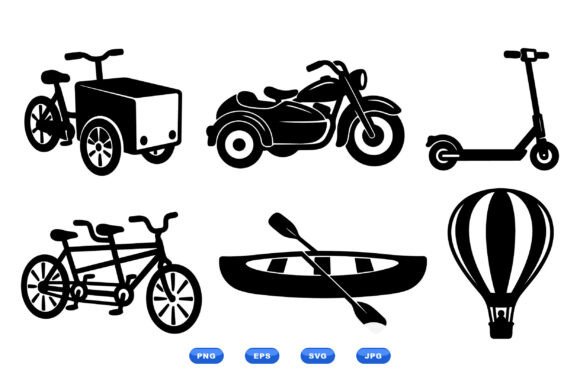
The immediate appeal of Retro Transport Vector Icons lies in its nostalgic yet modern aesthetic. The black silhouette approach creates a bold, graphic quality that reads instantly. There is no ambiguity here; whether it is a cargo bike, a sidecar motorcycle, an electric scooter, a tandem bike, a kayak with paddle, or a hot air balloon, each shape is distinct and recognizable. This clarity is crucial for embroidery, where fine details can sometimes get lost depending on the stitch type used.
The mood these icons evoke is one of adventure and simplicity. They feel like badges of honor—symbols of travel, outdoor activity, and a slower pace of life. For a designer, this emotional connection is valuable. It means the final product isn’t just a decoration; it’s a statement piece. The minimal vector style ensures that the shapes are clean and uncluttered, which is exactly what you want when converting graphics into stitches. If the original vector file is messy or overly detailed, the resulting embroidery will likely be stiff or prone to puckering. These icons, however, appear to have a streamlined visual personality that suggests they were designed with scalability and clarity in mind.
Real-World Application: From Screen to Stitch
Let’s talk about how this machine embroidery design performs when we move past the mockup stage. I recently considered using these icons for a custom embroidered tote bag project aimed at eco-conscious travelers. The concept was to feature a single icon—a cargo bike or a kayak—stitched prominently on the front panel. Because the design relies on solid black silhouettes, it lends itself beautifully to both satin stitch outlines and dense fill stitch fills.
In practice, the high contrast of black thread against a natural canvas tote creates a striking, professional look. The simplicity of the design allows it to work across a wide range of products without feeling out of place. For instance, the same hot air balloon icon could easily be adapted for a nursery decor pillow cover, while the tandem bike might fit perfectly on a couple’s matching sweatshirt embroidery. The versatility extends to custom apparel as well; imagine these icons arranged in a row along the hem of a denim jacket or scattered subtly across the chest of a hoodie.
I also tested the concept for small business merchandise. For an Etsy seller looking to create a cohesive brand identity, having a set of related icons like this is invaluable. You can use the electric scooter for a tech-savvy audience and the kayak for outdoor enthusiasts, all while maintaining a consistent visual language. This consistency builds brand trust and makes your shop look more polished and intentional. When customers see a unified style across different products, they are more likely to perceive the items as premium handmade product offerings rather than generic print-on-demand goods.
Where Caution Is Required
Despite its strengths, there are specific scenarios where Retro Transport Vector Icons requires careful handling. Embroidery is not a one-size-fits-all medium, and even the best designs have limitations. One area to watch is small hoop sizes. While the individual icons are simple, if you attempt to stitch them too small, the negative space between the elements might become indistinguishable. Always test the design at the intended size before committing to a full production run.
Fabric choice is another critical factor. The clean lines of these vector icons demand a stable base. On textured fabrics, such as heavy waffle-knit towels or boucle upholstery, the definition of the silhouette may soften. Similarly, on stretchy fabrics like thin jersey knits, you must ensure you are using the proper stabilizer to prevent distortion. Without adequate support, the tension of the threads can pull the fabric, warping the perfect curves of the bicycle wheels or the balloon envelope.
Dark fabrics present both an opportunity and a challenge. Using black thread on dark fabric creates a tonal effect that can look sophisticated but may lack visibility unless you use a metallic or contrasting thread for the outline. Conversely, if you plan to embroider these black silhouettes onto light-colored garments, ensure your black thread has enough sheen and density to stand out sharply. Also, consider the durability of the finished product. Items that require frequent washing, such as aprons or kitchen towels, need robust stitching. Dense fill stitches hold up well, but if any part of the design relies on delicate running stitch accents, those areas may fray over time.
Practical Designer Notes for Success
To get the most out of this digital embroidery file, I recommend following a few practical steps. First, always test the design on scrap fabric that matches the weight and texture of your final material. This helps you gauge how the thread colors interact with the background and whether the stitch density feels appropriate. Second, review the design in black and white mockups to ensure the composition remains balanced without the distraction of color.
Inspect the small details closely. Are the spokes of the wheel distinct? Is the paddle in the kayak clear? If the resolution of the source vector is low, you may need to simplify the design further before digitizing. Additionally, confirm whether the design works for both personal and commercial projects. Licensing terms vary widely, and as a craft business owner, you need to know if you are allowed to sell finished items made with this design. Finally, compare light and dark fabric backgrounds to decide which offers the best visual impact for your target audience.
Final Verdict on Visual Appeal and Value
The Retro Transport Vector Icons collection succeeds because it understands the power of less. In a market saturated with intricate floral patterns and complex scenes, there is a growing demand for clean, graphic designs that communicate quickly and effectively. These icons offer that clarity. They enhance the visual appeal of any embroidery project they adorn, adding a touch of retro charm that resonates with modern consumers.
For designers, the value lies in their adaptability. Whether you are creating an embroidered patch for a backpack, a tote bag design for a weekend getaway, or a holiday embroidery gift set, these icons provide a reliable foundation. They elevate the perceived value of your finished product, making it look professionally crafted and thoughtfully designed. By paying attention to fabric stability, stitch density, and licensing, you can leverage these icons to create standout pieces that capture customer engagement and drive sales in your online store or craft fair booth.
In conclusion, Retro Transport Vector Icons is a strong candidate for anyone looking to add a versatile, stylish element to their embroidery repertoire. Its clean lines and nostalgic theme make it suitable for a wide array of applications, from baby embroidery to commercial embroidery projects. Just remember to respect the technical limitations of the medium, and you will find that these designs reward you with beautiful, durable results.