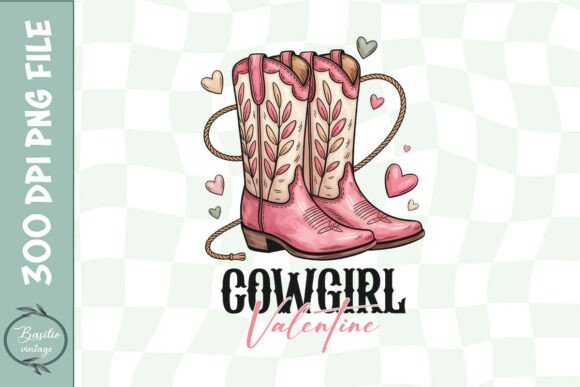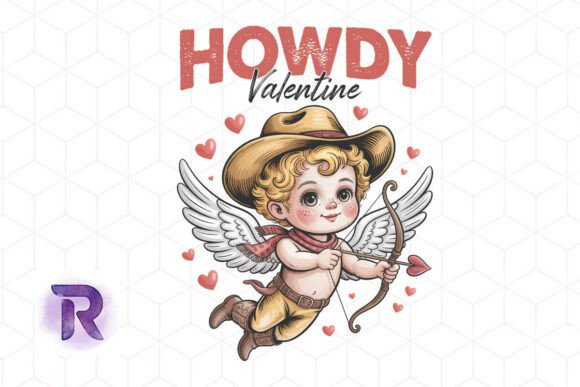
Retro Western Cupid Valentine PNG Review
As a designer who spends more time than I care to admit staring at stitch density charts and testing thread tensions, I don’t just look at a digital file; I look at how it will behave on fabric. When I first pulled up the Retro Western Cupid Valentine PNG, my immediate reaction was one of cautious optimism. The aesthetic is undeniably strong—it taps into that nostalgic, mid-century Americana vibe that has been trending heavily in boutique handmade goods. But for an embroidery project, aesthetics are only half the battle. The other half is execution.
I am evaluating this design not just as a pretty picture, but as a potential asset for my own craft business. I want to know if it translates well from a screen to a hoop, if it holds up after washing, and if it feels like a premium product to the end customer. This review breaks down the practical realities of using this graphic for real-world applications, from custom apparel to small shop merchandise.
The Visual Personality and Mood
The Retro Western Cupid Valentine PNG immediately establishes a playful yet sophisticated mood. It avoids the cliché of overly saccharine, modern cartoonish cupids. Instead, it leans into a vintage typography and illustration style that feels curated. For designers targeting customers who appreciate "handmade" authenticity, this visual language works hard. It suggests quality and thoughtfulness before the needle even touches the fabric.
In terms of layout, the design appears balanced, which is crucial for embroidery. A cluttered design can result in a muddy stitch-out where individual elements lose their definition. This particular graphic seems to have enough negative space around its core elements, allowing the machine to breathe. This is particularly important when considering stitch density. If the original vector or raster data is too dense, converting it to an embroidery file can lead to puckering or thread breaks. The retro style usually implies cleaner lines and distinct shapes, which generally translates better to satin stitch and fill stitch techniques than overly intricate, fine-line illustrations.
Real-World Application: The Custom Tote Bag Scenario
To truly test a design, you have to put it in a stressful environment. My go-to stress test for any new machine embroidery design is a canvas tote bag. Why? Because canvas is thick, textured, and unforgiving. It requires a robust stabilizer and a design that can stand out against a coarse weave.
Imagine placing the Retro Western Cupid Valentine PNG on the front panel of a natural canvas tote. The contrast between the dark threads and the light fabric would likely pop beautifully. However, the western theme also lends itself perfectly to denim. I can easily see this design transformed into an embroidered patch or a direct stitch-on application on a denim jacket or a heavy-duty work shirt. The ruggedness of the western motif pairs naturally with durable fabrics, making it a strong candidate for custom apparel rather than delicate lingerie or sheer scarves.
Furthermore, this design fits seamlessly into the current market for personalized gifts. Valentine’s Day is often overshadowed by Halloween and Christmas in the crafting calendar, but there is a dedicated segment of buyers looking for unique, non-traditional romance-themed items. A tote bag design featuring this retro cupid could appeal to young adults who prefer vintage aesthetics over traditional hearts and arrows. It feels less like a mass-produced item and more like a curated find, which increases perceived value.
Technical Considerations for Embroidery Designers
While the visual appeal is high, we must address the technical translation. Not every graphics format converts equally well. Since this is listed as a PNG, it is a raster image. To use it effectively in embroidery software, it will need to be traced into vectors or manually digitized. This process introduces variables that can affect the final finished product.
- Stitch Density: You must check the fill areas. If the original design has thin lines intended for print, they may become invisible or weak when stitched. Ensure that all critical details are thickened during the digitizing process to ensure durability.
- Hoop Size: Confirm the hoop size limits of your target machines. A large, sweeping western font might require a 7x10 hoop, limiting where it can be placed on garments like caps or sleeves.
- Thread Colors: The color palette in the PNG is just a guide. You will need to select physical thread colors that match the retro vibe—think mustard yellows, dusty roses, and deep teals. Avoid standard primary reds and blacks unless you are going for a specific high-contrast look.
Another critical factor is the choice of stabilizer. For a design like this, which likely features both text and illustrative elements, a cut-away stabilizer is often recommended for woven fabrics like cotton or linen to prevent distortion. If you are working with stretchy knits, such as those found in sweatshirt embroidery, a tear-away or wash-away backing might be necessary depending on the fabric weight, but you must test to avoid pulling the garment out of shape.
Where to Use Caution
There are specific scenarios where this design might struggle. Avoid attempting to stitch this on highly textured fabrics like bouclé or thick terry cloth, as the stitches will sink in and lose definition. Similarly, on very thin or slippery fabrics, the tension required for a bold retro design might cause puckering. Always run a test on scrap fabric first.
Additionally, be mindful of curved surfaces. While this design could work on a cap, the curvature might distort straight lines or circular elements. If you plan to sell these as embroidered patches to be ironed or sewn onto hats, ensure the border is clean and the backing material is compatible with the final garment.
Impact on Brand and Customer Trust
For Etsy sellers and small shop product creators, the presentation is everything. A well-executed embroidery project signals professionalism. When a customer receives a handmade product where the stitching is tight, the colors are vibrant, and the design aligns perfectly with the brand’s aesthetic, trust is built. The Retro Western Cupid Valentine PNG offers a unique selling proposition (USP) that stands out in a crowded marketplace. It moves away from generic clipart and towards a cohesive, thematic collection.
This design also enhances brand consistency. If your shop specializes in vintage-inspired home decor, adding this Valentine’s piece to your lineup keeps your catalog unified. Customers come back to shops that feel curated, not random. By offering a digital embroidery file or a finished good based on this specific aesthetic, you are tapping into a niche audience that values design integrity.
Final Verdict for Craft Business Owners
The Retro Western Cupid Valentine PNG is a strong contender for Q1 product development. It bridges the gap between seasonal relevance and year-round aesthetic appeal. Its versatility allows it to be used in holiday embroidery collections, nursery decor, and even wedding favors for couples who love rustic themes.
However, success depends on your preparation. Do not simply upload and stitch. Take the time to refine the digitization, choose the right fabric texture for the job, and invest in high-quality threads. Test the design on various materials to understand its limitations. If you treat it as a serious design asset rather than a quick filler, this piece has the potential to drive engagement and sales for your craft business.
Before committing to a large production run, inspect the small details. Are the curves smooth? Is the text legible? Does the overall composition feel harmonious? If the answer is yes, then you have a winner. This design has the personality and structure to succeed in the hands of a skilled embroiderer, offering a fresh take on a classic holiday theme.