Torn Paper Shape SVG Bundle Review
As a designer who spends half my day staring at stitch charts and the other half troubleshooting tension issues on vintage machines, I have learned to be incredibly skeptical of digital assets. The market is flooded with generic shapes that look fine on a screen but turn into muddy blobs once they hit the hoop. This week, I decided to put the Torn Paper Shape SVG Bundle to the test. I wasn’t looking for something pretty; I was looking for something functional, distinct, and capable of holding up under the scrutiny of real-world embroidery.
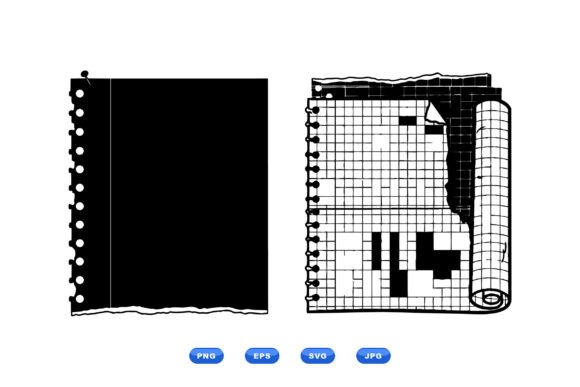
The premise is simple: distressed, ripped, and fractured paper textures in vector format. On paper, it sounds like a niche trend. In practice, however, grunge and raw-edge aesthetics are having a massive moment in handmade commerce. From boutique streetwear to rustic home decor, there is a demand for designs that feel tactile and imperfect. My goal was to determine if this bundle delivers enough visual weight and structural integrity to justify its place in a professional workflow, particularly for those of us selling finished goods on platforms like Etsy or running small craft businesses.
First Impressions and Visual Personality
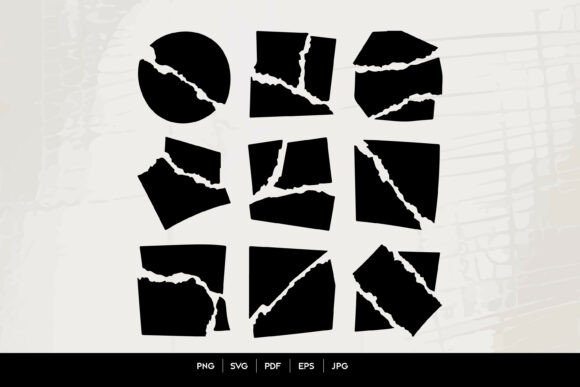
When you first open the Torn Paper Shape SVG Bundle, the immediate takeaway is the variety of edges. We aren’t talking about clean, geometric cuts here. These files capture the chaotic beauty of ripped cardstock and distressed layers. The jagged, rough, and abstract nature of the shapes gives them an inherent texture that translates surprisingly well into thread.
What stands out most is the negative space. In embroidery, what you don’t stitch is just as important as what you do. The torn edges create natural breaks that allow for creative stitching techniques. Unlike a solid block shape that requires dense fill stitches (which can pucker fabric), these irregular outlines invite a mix of satin stitches along the perimeter and perhaps some lighter fill or appliqué work inside. It feels less like a rigid graphic and more like a deconstructed element, which adds a layer of sophistication to the final piece.
The mood is definitely modern-industrial mixed with cozy-craft. It bridges the gap between edgy streetwear graphics and traditional handmade warmth. For an Etsy seller or small shop owner, this versatility is gold. You can use these shapes for a hipster coffee apron one day and a rustic nursery pillow cover the next.
Real-World Application: The Tote Bag Scenario
To truly evaluate any machine embroidery design, you have to imagine it on a product. Let’s talk about a custom embroidered tote bag. This is a staple item for craft fair products and personalized gifts. I envisioned taking one of the larger torn paper shapes from the Torn Paper Shape SVG Bundle and placing it centrally on a heavy canvas tote.
Here is where the design shines. A solid logo on a tote can sometimes feel corporate or stiff. By using a torn edge aesthetic, you instantly inject personality. Imagine stitching the outline of the tear in a high-contrast thread color, like mustard yellow on navy blue canvas, followed by a light satin fill inside the shape. The result is a handmade product that looks intentional and artistic rather than mass-produced.
I also considered using this for sweatshirt embroidery. Grunge textures pair beautifully with the soft, brushed interior of hoodies. A large, distressed paper shape stitched across the chest or back pocket area creates a focal point that doesn’t overwhelm the garment. It works especially well for custom apparel targeting younger demographics or brands that want to convey authenticity and raw creativity.
Appliqué Potential
One specific technique that comes to mind for this bundle is appliqué. The Torn Paper Shape SVG Bundle provides clear, distinct boundaries. If you cut out felt or denim scraps in these torn shapes and stitch them down with a tight satin stitch, the effect is three-dimensional. The "ripped" look mimics the frayed edges of fabric, creating a cohesive visual language between the material and the design. This is a fantastic way to elevate a basic embroidered patch or a simple cap design into something premium.
Technical Performance and Stitching Clarity
From a technical standpoint, the success of any digital embroidery file depends on how well it handles detail. Some complex grunge designs fail because the details are too small for the needle to resolve, resulting in a messy, undefined blob. However, the shapes in this bundle seem to prioritize bold silhouettes over microscopic noise.
This is crucial for maintaining stitch density control. When designing for commercial embroidery, you want to avoid excessive density that causes puckering, especially on delicate fabrics. The irregular nature of the torn paper allows for strategic placement of stitches. You can vary the direction of your fill stitch to follow the flow of the tear, adding dynamic movement to the design. It encourages the operator to think about the grain of the fabric and the direction of the pull, leading to a higher-quality finish.
However, clarity is key. If you plan to include text within or around these shapes, ensure the font choice complements the ruggedness of the paper texture. A sleek, thin sans-serif might clash, whereas a bold, blocky, or distressed typeface would harmonize perfectly. Always review the hoop size constraints early in the process. Large, sprawling torn shapes require a generous hoop to ensure stability during long runs.
Where to Use Carefully
No design is perfect for every scenario, and honest review requires pointing out limitations. There are certain contexts where the Torn Paper Shape SVG Bundle might not perform as intended.
- Small Hoop Sizes: Attempting to stitch intricate torn edges in a very small hoop (like 4x4 inches) can be risky. The fine points of the "tears" may get lost or become difficult to align properly. Reserve these designs for medium to large projects.
- Textured Fabrics: While the design has texture, stitching it onto a heavily textured fabric like bouclé or thick terry cloth can obscure the details. The design needs a relatively smooth background to let its jagged edges pop.
- Stretchy Fabrics: Be cautious when using this on highly stretchy materials like jersey knits without proper stabilizer support. The irregular shape can distort if the fabric stretches unevenly during stitching.
- Dense Stitch Areas: If you decide to fill the entire shape with dense satin or fill stitches, you risk creating a stiff, cardboard-like feel. Lighter fills or outline-only approaches often yield a more professional drape.
Practical Designer Notes for Success
Before you rush to produce a batch of finished products, there are several steps I strongly recommend to ensure quality control.
- Test on Scrap Fabric: Never go straight to your final product. Run the design on a scrap of the exact fabric you intend to use. This helps you gauge how the fabric texture interacts with the thread.
- Check Thread Color Contrast: The grunge aesthetic relies on definition. Ensure your thread colors provide enough contrast against the fabric. Low-contrast combinations can make the torn edges disappear.
- Inspect Small Details: Zoom in on the digital file before importing it. Check if any of the tiny "splinters" or jagged corners are so small that they will break needles or create unnecessary thread trimming time.
- Use Proper Stabilizer: Given the potential length of some of these designs, a cut-away stabilizer is often safer than a tear-away, especially for woven fabrics that might shift.
- Mockup First: Create a black-and-white mockup to see if the silhouette holds up without the distraction of color. If the shape isn’t recognizable in grayscale, it might lack sufficient visual weight.
Final Verdict on Value and Usability
The Torn Paper Shape SVG Bundle offers more than just a set of graphics; it provides a design language that speaks to modern, authentic craftsmanship. For creative entrepreneurs and makers, it is a valuable asset in building a brand identity that feels grounded yet trendy.
It fits seamlessly into categories like holiday embroidery (think rustic gift tags), baby embroidery (soft, organic shapes for onesies), and kitchen towel designs (where a bit of grit contrasts nicely with domestic comfort). The inclusion of multiple file formats (PNG, SVG, EPS, PDF, JPG) ensures that whether you are working directly in embroidery software or preparing printable mockups for your online store, you have the flexibility to adapt the design.
Ultimately, this bundle succeeds because it embraces imperfection in a controlled way. It doesn’t try to be a perfect square; it tries to be a perfect *torn* piece of paper. That distinction matters. It adds character, depth, and a human touch to every embroidery project it touches. If you are looking to add a layer of sophisticated distress to your craft business inventory, this is a practical, stylish, and reliable choice. Just remember to test, stabilize, and trust your eyes—because in the end, the best embroidery always feels good to the touch, not just the eye.