Retro Ice Cube Clipart Set Review
As a designer who spends half my life staring at stitch charts and the other half worrying about whether a customer’s sweatshirt will shrink in the wash, I approach every new embroidery file with a healthy dose of skepticism. We all know the drill: you buy a cute digital asset, slap it on a mockup, and then realize that what looks charming on a screen turns into a muddy, tangled mess once the machine starts humming. That is exactly why I decided to put the Retro Ice Cube Clipart Set through its paces before recommending it for any serious craft business or client project.
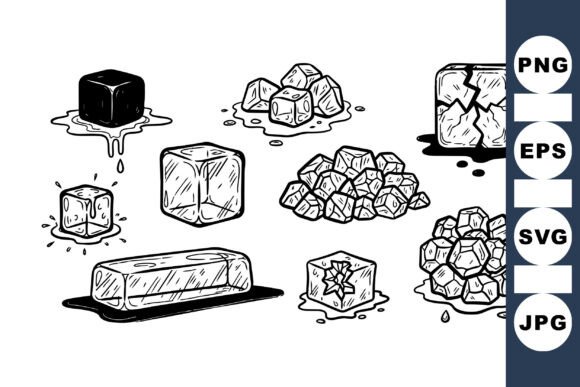
This collection isn’t just another generic clipart pack. It features hand-drawn ice cubes in various shapes and melting stages, showcasing texture and form. For an embroiderer, "texture" is both a promise and a threat. If executed well, it adds depth; if ignored, it creates unnecessary bulk. Let’s break down how this design holds up when we move from the computer screen to the hoop.
First Impressions and Visual Personality
The moment you open the files, the mood is distinct. The retro aesthetic brings a nostalgic, playful vibe that feels perfect for summer-themed collections, pool parties, or even quirky kitchen decor. Unlike rigid geometric vector art, these illustrations have organic lines that suggest movement—the slow drip of melting water, the jagged edge of a cracked cube. This visual personality makes it an excellent candidate for custom apparel where you want to tell a story rather than just display a logo.
From a design perspective, the layout is versatile. Because the set includes different shapes and melting stages, you aren't locked into a single composition. You can create a scattered pattern for a large back print on a hoodie, or isolate a single, perfectly formed cube for a minimalist chest pocket placement. The detail level is high enough to look premium but not so dense that it becomes un-stitchable. It strikes that delicate balance between artistic flair and technical feasibility.
Real-World Application: From Screen to Stitch
Let’s talk about real use cases. Imagine you are preparing inventory for an upcoming craft fair or updating your Etsy shop for the holiday season. The Retro Ice Cube Clipart Set shines in specific niches. It is naturally suited for tote bag designs, especially canvas bags meant for beach days or farmers markets. The contrast of the crisp white "ice" against natural cotton or bright colored fabrics creates a striking visual that draws the eye.
I also see immense potential in baby embroidery. A small, soft-hued ice cube stitched onto a muslin blanket or a onesie offers a unique twist on traditional nursery themes. It’s gender-neutral, modern, and fits the current trend toward minimalist, graphic-heavy baby gear. Similarly, for kitchen towel or apron designs, the theme bridges the gap between functional utility and decorative charm. It works well for holiday embroidery projects, particularly around New Year’s Eve or winter weddings where a cool, crisp aesthetic is desired.
When used as part of a larger brand identity, this set helps establish professionalism. A consistent style across your product line—whether it’s a sweatshirt embroidery line or a series of embroidered patches—builds trust. Buyers can recognize your work immediately. The retro feel suggests a boutique, curated experience rather than mass-produced goods, which allows you to command higher prices for your handmade products.
Technical Considerations and Potential Pitfalls
However, no design is without its challenges, and being honest about them is crucial for any experienced maker. The Retro Ice Cube Clipart Set relies heavily on shape definition and negative space. This means you need to be careful about where you place it.
Avoid using this design on textured fabrics like heavy bouclé wool or thick terry cloth unless you are an expert stabilizer user. The fabric texture can interfere with the clean lines of the ice cubes, making them look fuzzy or indistinct. Thin or stretchy fabrics also pose a risk. Without proper support, the tension required to keep the shapes defined might cause puckering, ruining the smooth, glossy illusion of ice.
Placement matters immensely. Do not attempt to stitch this on highly curved surfaces like the front panel of a baseball cap unless you have significant experience with 3D puff embroidery or specialized capsizing tools. The melting details could get lost or distorted on such a tight curve. Additionally, be wary of small hoop sizes. While the individual elements are manageable, trying to cram too many melting stages into a tiny area will result in a cluttered look that loses its impact. Always test the hoop size relative to the garment dimensions before committing to a production run.
Practical Designer Notes for Execution
To ensure your finished product looks as good as the digital preview, follow these practical steps:
- Test on Scrap Fabric: Never go straight to the final garment. Run the design on the exact type of fabric you plan to sell. Check how the thread interacts with the weave.
- Check Thread Color Contrast: Ice is white, clear, or blue. Ensure your thread choices provide enough contrast against the background fabric. On light fabrics, consider using a slightly off-white or pale blue thread to avoid a harsh, glaring white that might look cheap.
- Review Stitch Density: Examine the digitization for excessive fill stitches. If the density is too high, the fabric will become stiff and uncomfortable. You may need to adjust the settings to reduce density while maintaining shape integrity.
- Inspect Small Details: Look closely at the melting drips and edges. Are they too thin? Will they tear out after washing? If the details are fragile, consider simplifying the design or adding a backing stabilizer.
- Use Proper Stabilizer: This cannot be overstated. Use a cut-away stabilizer for knits and stretchy materials to prevent distortion over time. For woven fabrics, a tear-away might suffice, but stability is key to preserving the retro aesthetic.
- Black and White Mockups: View your design in grayscale. This helps you assess the value contrast and ensures the design remains legible regardless of color choices.
Final Verdict on Value and Versatility
The Retro Ice Cube Clipart Set is more than just a decorative element; it is a strategic asset for designers looking to diversify their offerings. It fits seamlessly into categories ranging from apparel decorators creating seasonal drops to digital product sellers offering design assets for others to use.
For the Etsy seller or small shop owner, this design offers high perceived value with relatively low execution risk, provided you follow best practices regarding fabric selection and stabilization. It appeals to buyers who appreciate handmade quality and unique, thematic designs. Whether you are creating a personalized gift for a friend or building a commercial line of boutique branding merchandise, this set provides the visual foundation needed to engage customers.
Ultimately, success lies in the details. By respecting the limitations of embroidery technology and leveraging the strong visual personality of the retro ice cubes, you can create finished products that stand out in a crowded market. Just remember to check the licensing terms before selling finished items, confirm the file formats suit your workflow, and always prioritize the tactile experience of the wearer. When done right, this design doesn’t just sit on the fabric—it becomes part of the story your product tells.