Retro Pixel Space Shooter Art Embroidery Review
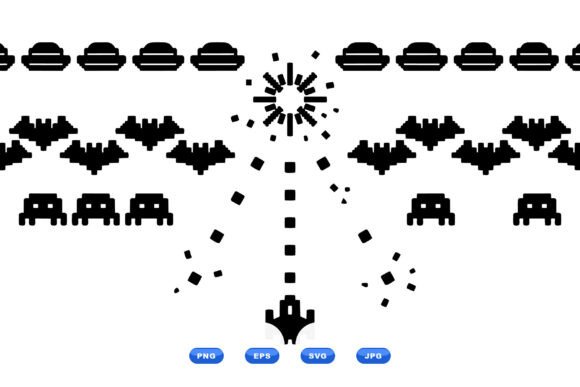
When I first opened the file for Retro Pixel Space Shooter Art, my immediate reaction was a mix of nostalgia and practical skepticism. As a designer who spends hours evaluating how digital vectors translate into thread, I know that pixel art is a double-edged sword in machine embroidery. It can look incredibly sharp and modern, or it can turn into a muddy mess of jagged edges if the stitch density isn't handled with care. This design, which features a pixelated spaceship firing projectiles at rows of alien invaders, promises a minimalist black-and-white vector aesthetic with dynamic arcade vibes. But does it hold up when stitched onto real fabric? After running through several test scenarios for potential client projects and small business merchandise, here is my honest breakdown of how this design performs in the hoop.
The First Impression: Clean Lines and Arcade Nostalgia
The visual personality of Retro Pixel Space Shooter Art is undeniably strong. In the realm of Crafts and Graphics, retro gaming themes have seen a massive resurgence, particularly among millennials and Gen Z consumers who appreciate the simplicity of 8-bit aesthetics. The layout is balanced, with the spaceship anchoring one side and the grid of invaders creating a clear focal point on the other. The minimalist black-and-white color scheme suggests a high-contrast finish that could work beautifully on dark fabrics, provided the stitching technique is precise.
What stands out most is the clarity of the shapes. Unlike complex floral or portrait designs that rely on subtle shading, this design relies on hard edges and negative space. For an embroidery designer, this means fewer transitions between colors and potentially less time spent trimming threads. The "dynamic" feel mentioned in the product description comes from the diagonal trajectory of the projectiles, which adds a sense of motion to what is otherwise a static image. It feels like a piece of wearable history, perfect for a custom apparel project that wants to make a statement without being overly loud.
Real-World Application: From Tote Bags to Baby Items
I’ve been thinking about where this design fits best in a commercial or personal context. The versatility of Retro Pixel Space Shooter Art is its strongest selling point. It’s not limited to just one type of product. Here is how I see it performing across different categories:
- Tote Bag Design: A canvas tote bag is perhaps the ideal canvas for this artwork. The sturdy fabric holds up well to the fill stitch required for the pixel blocks, and the black-and-white theme ensures it remains timeless rather than trendy. It would appeal heavily to students, gamers, and anyone looking for a unique handmade product.
- Sweatshirt Embroidery: Heavy cotton fleece provides a great texture for pixel art. The slight fuzz of the fabric can soften the harsh edges of the pixels just enough to make it look intentional rather than glitchy. Placing this on the chest pocket area of a hoodie creates a subtle but cool detail.
- Baby Embroidery: While the theme is "shooting," the aesthetic is cute enough for nursery decor or baby onesies. If you adjust the scale appropriately, it works as a playful personalized gift for parents who love retro games. However, avoid placing it near the neck if the stitches are too dense, as comfort is key for infant wear.
- Embroidered Patch: This design translates exceptionally well into a patch format. The distinct separation between the ship and the aliens allows for clean applique borders or satin stitch outlines. These patches can be sewn onto denim jackets, backpacks, or caps, expanding the reach of your craft business.
For an Etsy seller or someone managing a small shop product line, this design offers a low-risk, high-reward option. It doesn’t require exotic thread colors or specialized techniques to look good. You can produce these quickly, keeping your turnaround times short and your profit margins healthy.
Technical Considerations and Stitch Behavior
While the design looks great on screen, the translation to thread requires attention to detail. The primary concern with any pixel-based machine embroidery design is the stitch density. To achieve those crisp square edges, the software must pack stitches tightly. If the density is too high, the fabric may pucker; if it is too low, the pixels will look sparse and lose their definition.
I strongly advise testing the stitch density on scrap fabric before committing to a final product. When working with thread colors, sticking to a single color (like white on black) or a two-tone palette (black and grey) will yield the best results. Adding more colors introduces complexity that might muddy the pixel effect. Also, consider the stabilizer. For lightweight fabrics like t-shirts, a cut-away stabilizer is non-negotiable to prevent the tight pixel stitches from distorting the garment. For sturdier materials like denim or canvas, a tear-away might suffice, but always err on the side of caution.
Another technical note involves the satin stitch vs. running stitch balance. If the design uses satin stitches for the outlines, ensure the width isn’t so wide that it overlaps adjacent pixels. A lighter touch often preserves the digital illusion better than heavy, bulky stitching.
Where to Use It Carefully
Not every surface is suitable for Retro Pixel Space Shooter Art. There are specific scenarios where this design might fail to deliver the desired impact:
- Small Hoop Sizes: If you attempt to digitize or embroider this at a very small scale (under 3 inches), the individual pixels may merge together. The resolution of the thread cannot match the resolution of the screen at tiny sizes. Keep the finished size large enough to distinguish each block.
- Textured or Stretchy Fabrics: Knits and highly textured weaves can distort the geometric precision of pixel art. The irregular surface breaks the straight lines, making the spaceship look warped. Stick to smooth, stable fabrics like cotton, polyester blends, or denim.
- Curved Surfaces: While possible on caps, curved surfaces can stretch the design unevenly. The pixels might appear wider at the center and narrower at the edges. Test this carefully if you plan to offer commercial embroidery on headwear.
- Dense Stitch Areas: Avoid placing this design over existing seams, pockets, or other dense embroidery. The added bulk can make the garment uncomfortable and increase the risk of needle breakage.
Visual Appeal and Brand Consistency
From a branding perspective, Retro Pixel Space Shooter Art conveys professionalism and creativity. It shows that you understand current design trends while respecting classic aesthetics. For a creative entrepreneur, using this design helps build trust with customers who value quality and attention to detail. It elevates a simple finished product from a generic souvenir to a curated piece of art.
The monochromatic nature of the design also aids in brand consistency. Whether you are printing printable mockups for your online store or creating social media content, the black-and-white theme integrates seamlessly with various color palettes. It is versatile enough to fit into a boutique collection alongside more traditional motifs, adding variety without clashing.
Final Verdict for Makers and Sellers
After reviewing the structure, theme, and practical application of Retro Pixel Space Shooter Art, I find it to be a solid addition to any digital embroidery file library. It is particularly well-suited for makers who want to create holiday embroidery items, wedding gifts for gamer couples, or everyday custom apparel with a pop of personality.
Before purchasing or using this file, remember to check the licensing terms if you intend to sell the finished items commercially. Ensure the file format matches your machine’s requirements and verify the recommended hoop size. By testing on scrap fabric and paying close attention to fabric texture and stabilizer choice, you can harness the full potential of this design. It captures the spirit of retro gaming in a way that is both nostalgic and fresh, offering a unique opportunity to connect with customers who appreciate the intersection of technology and traditional craft.
In summary, if you are looking for a design asset that is easy to execute, visually striking, and broadly appealing, this pixel art design delivers. It transforms a simple embroidery project into a conversation starter, proving that sometimes, less is more—especially when those "less" elements are made of perfectly aligned stitches.