Retro Rainbow Bunny Hello Embroidery Review
As a designer who spends half my life staring at stitch density charts and the other half worrying about whether a client’s logo will survive a wash cycle, I don’t just look at an embroidery design; I look at its potential. When Retro Rainbow Bunny Hello landed on my desk, it wasn’t just another cute graphic to file away. It was a test case for how well vintage aesthetics translate into physical thread. For those of us in the crafts space dealing with graphics that need to become tangible products, the difference between a good digital file and a successful machine embroidery design is often in the details. This review breaks down exactly where this design shines, where it might struggle, and how it fits into a real-world embroidery project.
First Impressions: The Vintage Vibe Check
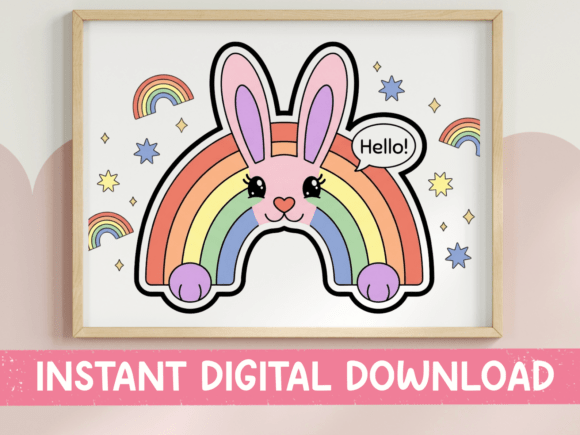
The moment you open the file, the mood is set. Retro Rainbow Bunny Hello leans heavily into that nostalgic, mid-century charm without tipping over into kitsch. The arched rainbow structure provides a strong, classic frame that is inherently pleasing to the eye. What stands out immediately is the color palette described in the assets: muted coral, orange, yellow, green, and blue. In the world of thread colors, "muted" is a double-edged sword. It looks sophisticated on a screen, but on fabric, it requires careful selection to ensure the design doesn’t look muddy or washed out.
The pink bunny face wearing tall features acts as the focal point. It anchors the composition. Visually, the layout feels balanced, which is crucial for custom apparel where symmetry matters. However, the transition from the geometric rainbow arch to the organic curves of the bunny face is where the real design challenge lies. Does the design feel cohesive, or do the elements fight for attention? In this case, they complement each other. The retro font style (implied by the title) likely ties the text "Hello" into the overall aesthetic, making it feel like a complete brand asset rather than just a clipart image.
Real-World Application: Where This Design Belongs
I’ve been thinking about how to use Retro Rainbow Bunny Hello in my current batch of small shop products. It screams personalized gift. It has that warmth that makes people want to buy something for a niece, a daughter, or a friend who loves quirky home decor. Here is how I see it performing in specific categories:
- Tote Bag Design: A canvas tote is the perfect canvas for this. The sturdy fabric can handle the weight of the fill stitches without puckering. Placing the rainbow arch across the top or center creates a bold statement piece that looks great in printable mockups for your Etsy listings.
- Sweatshirt Embroidery: French terry or heavy cotton blends are ideal. The muted colors pop beautifully against heather grey or cream backgrounds. It adds a touch of personality to everyday wear, elevating a basic sweatshirt into a boutique item.
- Baby Embroidery: This is perhaps the strongest market fit. Soft pastels and bunnies are timeless. On a baby onesie or a muslin blanket, the gentle curves and cheerful message create an instant emotional connection. It’s safe, sweet, and visually appealing.
- Embroidered Patch: If you sell patches as accessories for denim jackets or backpacks, this design works well. The self-contained nature of the rainbow arc allows for a clean border, making it easy to hoop and finish as a standalone badge.
Technical Considerations for the Stitcher
This is where the rubber meets the road. As an experienced reviewer, I have to warn you: not all designs stitch out equally. With Retro Rainbow Bunny Hello, you need to pay close attention to stitch type distribution.
The rainbow arch likely relies on fill stitch to create that solid band of color. If the stitch density is too high, the fabric will pucker, especially if you are using lighter fabrics like thin cotton or linen. Conversely, if the density is too low, you might see the background fabric showing through, which ruins the vibrant look of the coral and blue threads. You must check the stitch density in your software before committing to production.
The bunny face and any text elements will likely use satin stitch for the edges. Satin stitches need to be wide enough to cover the underlying layers but narrow enough to remain crisp. On curved surfaces, like a cap front or a rounded shoulder seam, satin stitches can distort if the underlay isn't properly configured. If you are planning to put this on a cap or hat, test it first. Curved surfaces demand precise digitizing to prevent the text from warping.
Another critical factor is the stabilizer. For a design with both large fill areas and detailed line work, a cut-away stabilizer is usually the safest bet for durability, especially for items that will be washed frequently, like baby clothes or aprons. Tear-away might suffice for a one-time craft fair display, but for a long-term handmade product, stability is key.
Potential Pitfalls and Where to Be Careful
While this design is charming, it is not universal. There are scenarios where Retro Rainbow Bunny Hello might fail to deliver the expected result:
- Small Hoop Sizes: If you are trying to cram this into a 4x4 hoop, you may lose detail. The fine lines of the rainbow segments or the texture of the bunny's fur could become indistinct blobs. Ensure your hoop size matches the design dimensions.
- Dark Fabric Without Proper Underlay: If you embroider these pastel colors directly onto black fabric without a dense white underlay, the colors will look dull. You’ll need to adjust your thread choices or add a backing layer to maintain vibrancy.
- Textured Fabrics: Avoid using this on bouclé wool, heavy tweed, or loosely woven burlap. The needle penetration required for the fill stitches might cause the fabric to tear or the stitches to sit unevenly, ruining the clean retro look.
- Stretchy Knits: While sweatshirts are knit, they are usually stable. However, if you try this on a thin jersey or spandex blend, the design will stretch and warp after washing. Always use a stabilizer designed for knits if you attempt this.
Visual Appeal and Brand Consistency
From a branding perspective, Retro Rainbow Bunny Hello offers a distinct visual identity. It feels approachable yet professional. For an Etsy seller or small business owner, consistency is everything. If your brand voice is whimsical, nostalgic, and warm, this design aligns perfectly. It helps build customer trust because it looks intentional and polished, not rushed.
The "Hello" greeting adds a layer of engagement. It’s not just a picture; it’s a message. This subtle psychological cue can increase buyer engagement and make the finished product feel more like a gift than a commodity. When customers receive a personalized item with such a clear, happy message, they are more likely to leave positive reviews and share photos on social media, providing free marketing for your craft business.
Final Verdict and Practical Advice
Retro Rainbow Bunny Hello is a versatile, aesthetically pleasing design that bridges the gap between digital graphics and tactile crafts. It works exceptionally well for commercial embroidery projects aimed at families, nurseries, and vintage enthusiasts. However, success depends entirely on execution.
Before you start mass-producing, follow these steps:
- Test on scrap fabric: Never skip this. Use the exact fabric and stabilizer you plan to use for the final product.
- Check contrast: Hold your thread spools up to the fabric. Do the muted coral and blue stand out clearly?
- Review stitch count: Ensure the machine can handle the complexity within your desired timeframe.
- Confirm licensing: If you are selling the finished goods, double-check the license terms for the digital embroidery file. Some designs are for personal use only.
If you are looking to add a touch of retro joy to your inventory, this design is a strong contender. Just remember that in embroidery, the magic is in the stitching, not just the design. Treat it with care, respect the technical limits, and you’ll have a finished product that customers will love.