Retro Positive Vibes Clipart Review
As a designer who spends half my life staring at stitch density charts and the other half trying to sell handmade goods, I don’t just look at a design file; I look at how it will behave under a needle. When Retro Positive Vibes Clipart landed on my desk, my first instinct wasn’t to think about the aesthetic alone, but to ask: does this translate well from a flat vector screen to a textured piece of fabric? The answer is a resounding yes, provided you understand the nuances of translating 70s nostalgia into tangible thread work.
This isn’t just another generic graphic. It is a curated collection that captures a specific mood—upbeat, sunny, and effortlessly cool. For those of us in the craft business, finding designs that evoke emotion without requiring complex shading is gold. This set delivers exactly that. It feels like a breath of fresh air for any Etsy seller or small shop owner looking to add some warmth to their inventory. But before you upload it to your machine, let’s break down why this embroidery project works, where it shines, and where you need to tread carefully.
First Impressions: Mood and Visual Personality
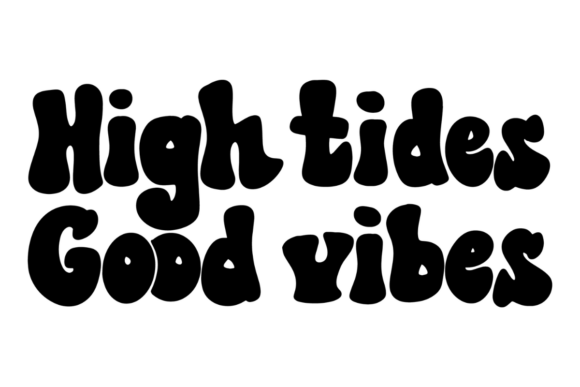
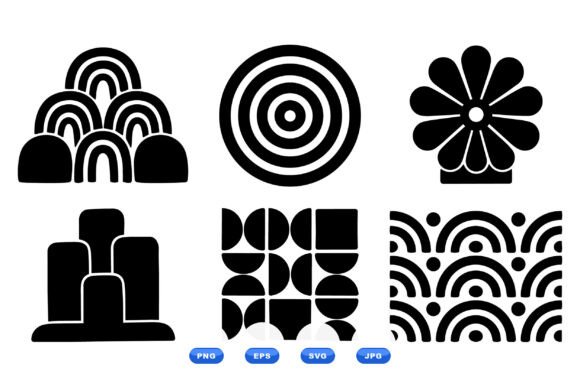
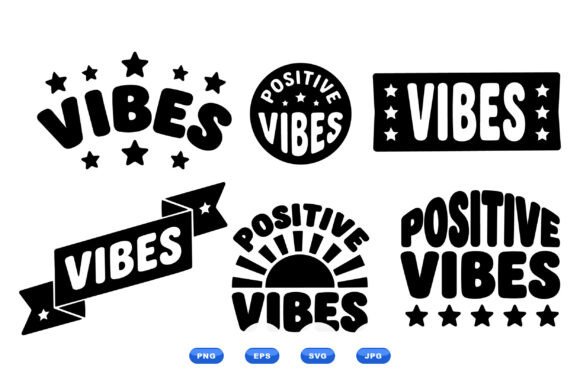
The moment you open the files, the positive vibes are undeniable. The design relies on bold shapes, clean lines, and a color palette that screams retro optimism. We are talking stars, ribbons, and sunrises that feel nostalgic yet modern. For an embroidery designer, this simplicity is a double-edged sword. On one hand, it means fewer threads and less chance of puckering. On the other hand, because there is no subtle shading to hide mistakes, every stitch counts.
The visual personality of this clipart is perfect for branding. If you are creating custom apparel or embroidered patches, this design immediately communicates friendliness and approachability. It doesn’t scream for attention with aggressive colors; it invites the viewer in with a warm, inviting glow. This makes it incredibly versatile. You can use it for a serious boutique brand or a playful baby clothing line, and it fits right in. The layout is balanced, meaning it won’t look cluttered when scaled down for a chest logo or blown up for a large tote bag.
Real-World Application: Where This Design Shines
I recently used a similar vibe for a client request—a custom embroidered tote bag for a local coffee shop. That experience taught me that flat vector sets like Retro Positive Vibes Clipart perform exceptionally well on structured fabrics. Here is where I see this design dominating the market:
- Tote Bag Designs: Canvas bags are the bread and butter of the handmade product industry. The crisp lines of the badges and wordmarks stand out beautifully against heavy canvas. It creates a high-end look that customers are willing to pay a premium for.
- Sweatshirt Embroidery: There is something inherently cozy about retro aesthetics on fleece. Using this design on the front pocket or center chest of a sweatshirt taps into the current trend of comfort wear. The satin stitch outlines will hold up well against the soft texture of the fabric.
- Baby Embroidery: Soft pastels combined with simple star motifs make this ideal for onesies or nursery decor. Parents love items that feel safe, cheerful, and timeless. This design hits that sweet spot perfectly.
- Holiday Embroidery: While not explicitly Christmas-themed, the sunrise and ribbon elements work wonderfully for summer festivals, spring fairs, or even as a general "good vibes" gift for the holidays. It is a personalized gift that feels relevant year-round.
For digital product sellers, this is also a powerhouse. Because the source files include SVG and PNG, you can create stunning printable mockups to showcase your finished products. A well-lit photo of a hoodie featuring this design can stop someone’s scroll on social media instantly.
Practical Designer Notes: Stitching Strategy
Let’s get technical for a moment. Just because a design looks good on screen doesn’t mean it stitches out perfectly. Here is my honest assessment of how to handle this machine embroidery design for the best results.
First, always test the design on scrap fabric. Fabric texture plays a huge role in how the final product looks. A smooth cotton might show every tiny detail of the running stitch accents, while a heathered grey tee might soften the edges slightly. If you are working with dark fabric, ensure your thread colors have enough contrast. The retro palette usually works well, but if you choose a dark navy background, make sure your white or yellow threads pop. I recommend running a black-and-white mockup check to verify contrast before committing to expensive thread.
Pay close attention to the stitch density. Retro designs often rely on solid blocks of color. If the fill stitch is too dense, you risk puckering, especially on lighter fabrics. Conversely, if it is too sparse, the stabilizer might show through. Use a proper stabilizer—cut-away for stretchy knits like t-shirts, and tear-away for stable wovens like tote bags. This ensures your finished product remains flat and professional.
Another critical factor is the hoop size. Ensure the design fits comfortably within your standard hoops. If you are placing this on a curved surface like a cap, you will need to adjust the digitizing slightly to account for the curve, or use a specialized cap frame. Flat vector sets are great, but they aren't magic. They require a human touch to adapt to three-dimensional objects.
Cautions: Where to Be Careful
While this design is robust, it is not invincible. There are specific scenarios where Retro Positive Vibes Clipart might struggle if you aren't careful.
Avoid using this on very small hoop sizes. Tiny lettering or intricate star details can become muddy if the stitch count is too high for the space. If you need a mini-logo, simplify the design by removing secondary elements like the ribbon tails. Similarly, be cautious on thin or stretchy fabrics. Without adequate support, the tension of the fill stitch can distort the fabric, ruining the clean lines that make this design so appealing.
Also, consider the end-use of the product. If you are making items that will undergo frequent washing, such as kitchen towels or baby clothes, ensure your stitching is secure. Loose ends or insufficient backstitches can lead to fraying over time. Always inspect the design for any tiny, isolated islands of stitch that might not anchor properly.
Final Verdict: Value and Professionalism
In the world of commercial embroidery, efficiency and appeal go hand in hand. Retro Positive Vibes Clipart offers both. It reduces the time spent troubleshooting complex digitizing issues while delivering a product that customers find visually pleasing. It boosts customer trust because it looks polished and intentional. It enhances brand consistency if you plan to build a whole line of retro-inspired goods.
For the creative entrepreneur, this is a smart investment. It allows you to quickly generate new listings for small shop products without starting from scratch. Whether you are decorating aprons, pillows, or apparel, this design brings a level of professionalism that elevates your work from "hobbyist" to "boutique quality."
Just remember to respect the limitations. Check the licensing terms before selling finished items or digital products. Confirm the file formats suit your workflow. And most importantly, treat each embroidery job with care. When you combine a strong design like this with skilled execution, you create more than just a stitched image—you create a memorable experience for the buyer. That is what sells in today’s market.