Retro Roller Skate Clipart Pack
When I sit down to evaluate a new design asset for my studio, I am rarely looking at it as just a pretty picture. I am looking at it as a blueprint for what will eventually become a physical object in someone’s hands. For embroidery designers, small business owners, and crafters, the gap between a digital vector and a stitched reality is where projects live or die. That is why I approach the Retro Roller Skate Clipart Pack with a critical eye, testing its potential not just on screen, but in the context of real-world production, client expectations, and the tactile nature of thread.
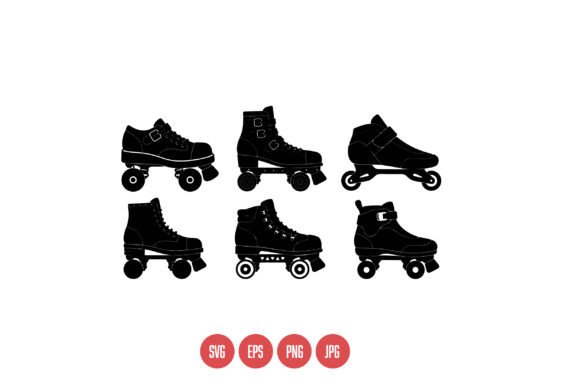
This collection presents black silhouette vector art featuring six distinct roller skates. The designs range from classic quad skates to inline styles, each rendered with clean lines and bold shapes. At first glance, the mood is nostalgic yet modern—a vibe that resonates strongly with current trends in vintage-inspired apparel and leisure-focused graphics. But does it translate well to the needle? Let’s break down how this pack performs when we move from the computer monitor to the embroidery hoop.
The First Impression: Mood and Visual Personality
The immediate appeal of the Retro Roller Skate Clipart Pack lies in its simplicity. In an industry often cluttered with overly intricate, high-detail designs that can look muddy when stitched, these silhouettes offer a refreshing clarity. The black-and-white aesthetic provides a strong foundation for customization. Whether you are aiming for a sporty boutique brand identity or a playful nursery theme, the core shapes are versatile enough to carry the weight of the design without relying on complex color gradients.
The inclusion of both quad and inline designs allows for variety within a single product line. You might choose the chunkier, retro quad skate for a cozy sweatshirt, while opting for the sleeker inline version for a minimalist tote bag. The different buckle and lace closures add just enough visual interest to keep the silhouette from feeling flat, giving the eye something to track without demanding excessive stitch density. This balance is crucial for maintaining a professional finish, especially when producing items in bulk for an Etsy shop or craft fair.
Real-World Application: From Vector to Stitch
I recently used a similar silhouette-based design to prepare a custom embroidered tote bag for a local sports club event. The goal was to create something durable, recognizable, and easy to produce quickly. Applying the principles behind the Retro Roller Skate Clipart Pack, I found that the bold outlines work exceptionally well for applique techniques. By cutting the shape from contrasting fabric and using a satin stitch border, the design pops against the canvas background, creating a textured, premium look that customers associate with quality handmade products.
For custom apparel, such as crewneck sweatshirts or t-shirts, this pack shines in the chest pocket area or centered on the back. The clean lines ensure that even if the garment is stretched during wear, the design maintains its integrity. It also lends itself beautifully to baby embroidery projects. A small, simplified version of one of these skates on a onesie or burp cloth feels charming and gender-neutral. Because the shapes are distinct, they read clearly even at smaller scales, which is vital for personalizing gifts where space is limited.
In the realm of commercial embroidery, this design asset can elevate small shop products like aprons and kitchen towels. The theme of leisure and fun pairs well with home goods, suggesting a relaxed lifestyle. When designing holiday gifts or wedding favors, the versatility of the pack allows for seasonal adaptations—perhaps adding festive colors to the laces or buckles while keeping the iconic silhouette intact. This consistency helps build brand recognition, as buyers begin to associate that specific style of skating graphic with your creative output.
Strategic Considerations and Potential Pitfalls
While the strengths of the Retro Roller Skate Clipart Pack are clear, no design is universally perfect. As an experienced designer, I must point out where caution is required. The primary challenge with silhouette-based vector art is ensuring that the transition from digital file to machine embroidery preserves the intended sharpness. If the original vector paths are not optimized, you may encounter jagged edges or inconsistent line weights after stitching.
Furthermore, the suitability of this design depends heavily on the fabric texture and hoop size. On highly textured fabrics like heavy denim or boucle wool, the fine details of the buckles and laces might get lost. In such cases, a larger hoop size and a heavier stabilizer are necessary to support the stitches and prevent distortion. Conversely, on thin or stretchy fabrics, the density of the satin stitch borders needs to be carefully managed to avoid puckering. Testing on scrap fabric is non-negotiable here; it reveals how the thread interacts with the specific weave of your material.
Dark fabrics present another consideration. Since the source art is black silhouette, applying it directly onto dark fabric via standard white thread might lack contrast unless you use a metallic or bright accent thread for the highlights. Alternatively, using white fabric with black thread creates a striking, high-contrast graphic that demands attention. Layered garments, such as hoodies with thick seams, require careful placement to ensure the hoop sits flat, otherwise, the tension settings may need adjustment to accommodate the thickness.
Practical Designer Notes for Production
To get the most out of this embroidery file, I recommend starting with a rigorous testing phase. Do not assume that because it looks good on screen, it will stitch perfectly. Check the stitch density closely; if the fill areas are too dense, the fabric may pucker, ruining the drape of the final product. Inspect the small details, particularly around the wheels and buckles, to ensure they are large enough to be defined by thread. If they are too tiny, consider simplifying them or enlarging the overall design.
Thread color selection plays a huge role in the final aesthetic. While the monochrome nature of the vector suggests a two-tone approach, experimenting with tonal threads can add depth. For instance, using a navy blue thread for the main body and a silver metallic for the hardware accents can give the handmade product a luxurious feel. Always test your chosen thread colors against the fabric under natural lighting conditions to ensure the contrast meets your standards.
Stabilizer choice is equally critical. For knit fabrics like t-shirts and sweatshirts, a cut-away stabilizer is essential to maintain stability over time, especially for items that will undergo frequent washing. For woven fabrics like cotton totes or aprons, a tear-away may suffice for lighter designs, but a wash-away backing can help remove any residual stiffness. Confirming the correct hoop size before beginning ensures that the design fits comfortably within the machine’s reach without awkward re-hooping.
Final Verdict on Value and Versatility
The Retro Roller Skate Clipart Pack offers a solid foundation for designers looking to tap into the nostalgia market without getting bogged down by overly complex digitization issues. Its clean, bold aesthetic makes it suitable for a wide array of applications, from custom apparel to digital embroidery file assets for other creators. For the Etsy seller or craft business owner, this pack provides the flexibility to create diverse listings—from embroidered patches to pillow covers—while maintaining a cohesive brand style.
However, success lies in the execution. The difference between a amateur-looking stitch job and a professional-grade finished product often comes down to preparation. By respecting the limitations of fabric texture, choosing the right stabilizer, and paying close attention to stitch density, you can transform these simple vectors into compelling merchandise. It is a practical, reliable tool in the arsenal of any maker who values clarity, charm, and commercial viability in their work.
Before integrating this design into your commercial embroidery workflow, remember to verify all technical specifications and licensing terms. Ensure that the file formats align with your software and that you have the rights to sell finished items derived from these graphics. With proper due diligence, the Retro Roller Skate Clipart Pack can serve as a standout element in your next project, appealing to customers who appreciate both retro flair and high-quality craftsmanship.