Retro Sandwich Clipart Pack Review
As a designer who spends half my day digitizing files and the other half stitching them out, I have learned to be skeptical of anything that looks too "clean" on screen. There is a distinct difference between a vector graphic that pops in Adobe Illustrator and one that actually holds up when translated into thread. Recently, I pulled the Retro Sandwich Clipart Pack off the shelf to see if it had the grit and charm necessary for real-world application. This isn't just about having a cute image; it is about whether this design can survive the rigors of production, hold its shape in a hoop, and convince a customer to part with their money.
First Impressions: Bold Graphic Personality
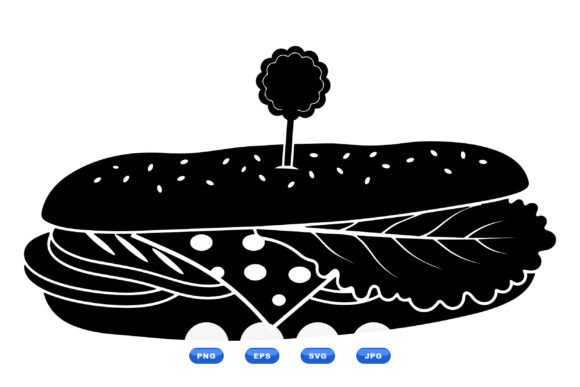
The moment you open the package, the vibe is immediate. We are dealing with a monochrome vector sandwich presented in a side profile. It is not trying to be photorealistic. Instead, it leans heavily into bold graphic menu artwork. The style is playful yet structured, featuring distinct layers of lettuce, cheese, and sesame seeds, all anchored by a decorative toothpick. For an embroidery designer, this is a relief. Too often, designers try to stitch intricate shading that turns into a muddy mess. Here, the simplicity is the strength.
The aesthetic feels like a nod to mid-century diner culture or modern vintage branding. It has a personality that says "fun," "casual," and "approachable." When I look at this design, I don't see a complex technical challenge; I see a brand asset. The visual weight of the sandwich suggests it will read well from a distance, which is crucial for items like tote bags or sweatshirts where the logo needs to grab attention instantly. The monochrome nature means we aren't locked into a specific color palette, giving us the freedom to choose threads that match any brand identity.
Real-World Application: From Screen to Stitch
I decided to put the Retro Sandwich Clipart Pack through its paces by imagining it on several common craft business items. The first scenario was a custom embroidered tote bag for a local coffee shop or bakery. In this context, the design works beautifully. The bold lines translate well into satin stitches, creating a crisp outline that defines the shape without getting lost in the canvas fabric. The sesame seeds offer a chance to use small running stitches or tiny fill areas that add texture without overwhelming the viewer.
Next, I considered apparel, specifically a heavyweight cotton sweatshirt. Embroidery on thick fabrics requires designs that are sturdy. The structural integrity of this sandwich clipart—defined by its clear edges and solid shapes—makes it an excellent candidate for chest logos or back prints. It feels like something a teenager would wear to a music festival or a casual Friday at work. It fits the "handmade product" narrative perfectly because it feels personal and quirky rather than mass-produced.
I also visualized this as an embroidered patch. Patches are a huge market for Etsy sellers and craft fair vendors. The self-contained nature of the sandwich graphic means it can easily be backed with iron-on adhesive or sewn onto denim jackets and caps. The decorative toothpick adds a vertical element that breaks up the horizontal bulk of the sandwich, making it visually interesting even at smaller scales. If used on a baby onesie or nursery decor, the playful theme hits the right emotional note for parents looking for unique, non-generic gifts.
Where Caution Is Required
However, no design is perfect for every surface. While the Retro Sandwich Clipart Pack is robust, there are specific situations where an experienced designer would hesitate. First, consider the hoop size. If you attempt to stitch this in a very small hoop, the details—the individual sesame seeds and the folds in the lettuce—may become indistinguishable blobs of thread. Clarity is king in embroidery, and if the stitch density is too high for the detail level, you risk puckering or losing the graphic's intent.
Fabric choice is equally critical. Textured fabrics, such as heavy waffle knits or loose-weave linen, can distort fine lines. On thin or stretchy fabrics, like certain athletic jerseys or delicate silks, the stabilizer required to keep the design flat might leave visible marks on the front, or the tension might cause the fabric to pucker around the dense stitch areas. Dark fabrics present another variable; while the monochrome design allows for white or bright thread contrast, you must ensure the background thread doesn't show through if the fabric is thin. Layered garments or curved surfaces, like the front panel of a fitted cap, require careful digitizing to account for distortion. If the design isn't adjusted for curvature, the sandwich might look stretched or warped.
Visual Appeal and Customer Trust
In the world of handmade goods and boutique branding, presentation is everything. A clean, well-executed embroidery project signals professionalism. When a buyer sees the Retro Sandwich Clipart Pack stitched accurately, with consistent tension and clear definition, it builds trust. It suggests that the seller cares about quality. Conversely, a sloppy execution can make a great design look cheap.
This design enhances the perceived value of a finished product. A plain t-shirt becomes a statement piece when adorned with a thoughtful, retro-inspired graphic. For digital product sellers, this clipart pack serves as a versatile design asset. You can create printable mockups showing the design on various backgrounds, helping potential buyers visualize the final result. The playful yet professional tone appeals to a wide demographic, from hobbyists making personalized gifts to commercial embroidery shops producing branded merchandise for restaurants.
Practical Designer Notes
Before committing to a full production run, I always advise testing the design on scrap fabric first. This step cannot be overstated. Use the same fabric and stabilizer combination you plan for the final product. Check the thread color contrast carefully; what looks good on a monitor might wash out on a beige apron or get lost on a black hoodie. Inspect the small details under magnification to ensure they are legible. It is also wise to test the design in black and white mockups to verify that the silhouette remains strong regardless of color choices.
Confirm your licensing terms before selling finished items or digital products. Understanding whether you have commercial rights is essential for protecting your craft business. Additionally, review the stitch density and confirm the recommended hoop size to avoid machine errors. If you are using an applique design technique, ensure you have the correct backing materials ready. Always compare light and dark fabric backgrounds to see how the design adapts. By paying attention to these practical details, you ensure that the Retro Sandwich Clipart Pack delivers the high-quality finish that customers expect and return for.