Retro Rosie Riveter Clipart Review
As a designer who spends more time than I care to admit staring at stitch lines and fabric textures, I approach every new digital embroidery file with a healthy dose of skepticism. The market is flooded with clipart that looks great on a screen but falls apart when translated into thread. That is exactly why I decided to put the Retro Rosie Riveter Clipart through its paces. This isn’t just about aesthetics; it’s about whether this design can survive the rigors of real-world production for small business owners, Etsy sellers, and crafters who need reliable assets.
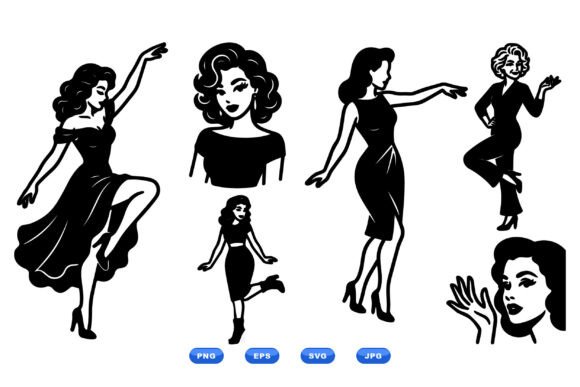
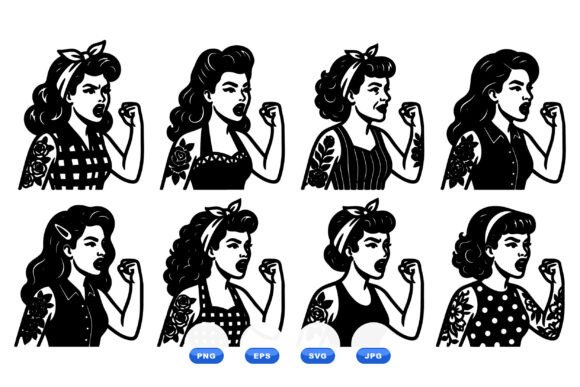
The product description highlights a retro tattoo flash vector featuring eight strong pinup women raising fists in monochrome line art. At first glance, the mood is unmistakable: bold, empowering, and deeply rooted in vintage Americana. For an embroidery project, this visual personality translates well into statement pieces. It feels less like a generic graphic and more like a curated piece of design assets meant for bold editorial imagery or apparel icons. When you are building a brand around handmade goods, having imagery that carries such clear historical weight helps establish immediate emotional resonance with your customer.
First Impressions and Visual Impact
When I first loaded the files into my digitizing software, the clean lines of the monochrome art stood out. In the world of machine embroidery, simplicity is often your best friend. Complex gradients and subtle shading rarely translate well unless you have access to high-end multi-head machines and specialized thread techniques. This applique design concept, however, relies on strong silhouettes. The "raising fists" motif is iconic, and rendering it in a tattoo-flash style gives it a gritty, authentic edge that resonates strongly with current trends in custom apparel.
The layout suggests versatility. While the full set of eight figures could work as a large panel, individual figures or smaller groupings offer incredible flexibility for different products. I immediately saw potential for a series of coordinated items—a matching set of tote bag design elements, perhaps, or a collection of sweatshirt embroidery placements for a boutique launch. The visual appeal lies in its clarity; even from a distance, the message is legible, which is crucial for finished product recognition in a crowded marketplace.
Real-World Application Scenarios
To truly evaluate this asset, I had to imagine where it would live. Let’s talk about a specific scenario: preparing a custom order for a local women’s empowerment nonprofit. They wanted embroidered patches for volunteers. Using the Retro Rosie Riveter Clipart, I selected a single figure and scaled it down. The result was striking. On a sturdy canvas tote bag, the design popped. The contrast between the dark denim and the white thread (or a vibrant red for the accent) created a professional look that felt both nostalgic and modern.
This design also shines in the realm of personalized gifts. Imagine a baby shower gift where a tiny version of the icon is stitched onto a onesie or a burp cloth. It subverts the traditional "soft pink/blue" expectations, offering something unique for parents who want their children to grow up with a sense of strength. Similarly, for holiday embroidery, placing this on a kitchen towel or apron adds a touch of humor and attitude to the home. It works beautifully as a handmade product that tells a story, elevating it above mass-produced alternatives.
For the Etsy seller or small shop product creator, this image is gold because it bridges multiple niches. It fits into feminist apparel, vintage fashion enthusiasts, and even patriotic themes depending on how it is styled. The ability to use it across these categories increases the ROI on your purchase. Whether you are creating commercial embroidery items for a craft fair or digital mockups for print-on-demand services, the core image remains versatile.
Technical Considerations and Stitching Challenges
No review is complete without addressing the technical realities. While the vector art is clean, translating it to thread requires careful planning. Here is where I advise caution. If you attempt to stitch this on a curved surface like a baseball cap, the tension might vary, especially if the design includes dense areas. I recommend testing the hoop size compatibility carefully. Smaller hoops might force you to break the design into sections, which can affect the overall flow.
Fabric choice is paramount. This machine embroidery design performs best on stable fabrics like cotton twill, denim, or heavy-weight jersey. Avoid thin, stretchy knits or loose-weave textiles unless you are using a significant amount of tear-away stabilizer. The risk here is puckering. The monochrome line art relies on crisp edges; if the fabric distorts under the needle, those clean lines will wobble, ruining the tattoo-flash aesthetic. Always inspect small details before committing to a bulk run. What looks like a simple curve on screen might require additional tack-down stitches in reality.
Another critical factor is thread color contrast. Since the original art is monochrome, you have freedom, but you must choose wisely. Black thread on black fabric is invisible, obviously. But even on dark grey, you need a high-contrast topstitch or a backing layer. I found that using a satin stitch for the outlines and a fill stitch for solid areas provided the most durability. For decorative accents, a running stitch can add texture, but be mindful of stitch density. Too much density in one area can make the fabric stiff and uncomfortable, particularly for baby embroidery items that will be washed frequently.
Practical Designer Notes for Success
If you are ready to incorporate the Retro Rosie Riveter Clipart into your workflow, follow these practical steps to ensure a professional outcome:
- Test on Scrap Fabric: Never go straight to the final garment. Run the design on a scrap piece of the exact fabric you plan to use. This reveals how the material reacts to the needle and stabilizer.
- Check Thread Colors: Lay out your thread spools against the fabric. Ensure there is enough contrast for the design to be readable. Sometimes a lighter shade of black or a contrasting bright color works better than pure black.
- Review Stitch Density: Look at the digitized file if available. High-density areas may need to be adjusted to prevent needle breakage or fabric distortion.
- Confirm Licensing: Before selling any finished product, double-check the license terms included with the download. Some graphics are for personal use only, while others allow commercial sale of physical items but not digital redistribution.
- Use Proper Stabilizer: Depending on the fabric, you may need cut-away stabilizer for permanent support, especially for items like aprons or pillow covers that undergo frequent washing.
- Inspect Small Details: Zoom in on the digitized preview. Are the fist details clear? Is the text (if any) legible? Adjust scale if necessary to ensure no detail is lost in translation.
Final Verdict
The Retro Rosie Riveter Clipart is a robust addition to any designer’s library. It offers a perfect blend of nostalgia and modern relevance, making it suitable for a wide range of craft business applications. From embroidered patches to printable mockups for online listings, this design has the potential to drive engagement and convey professionalism. Just remember that success in embroidery comes from preparation. Test your materials, respect the limits of your machine, and always prioritize the tactile quality of the handmade product. When executed correctly, this clipart doesn’t just sit on the fabric; it becomes part of the wearer’s identity, adding value and meaning to every stitch.