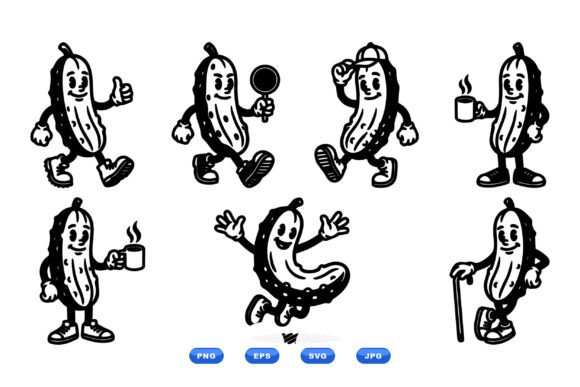
Retro Deli Sandwich Clipart Review
As a designer who spends half my life staring at digitized stitch paths and the other half trying to convince clients that embroidery has limits, I approach every new asset with a healthy dose of skepticism. We have all been burned by "cute" graphics that turn into a muddy, unrecognizable blob once they hit the hoop. That is why I take a closer look at Retro Deli Sandwich Clipart before recommending it for any commercial or personal project. This isn't just about how good it looks on a screen; it is about how it survives the needle.
The First Impression: Mood and Visual Personality
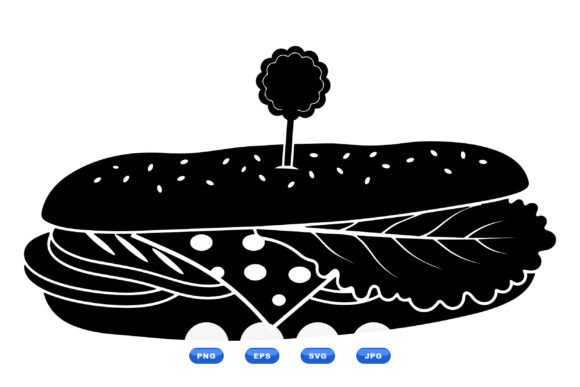
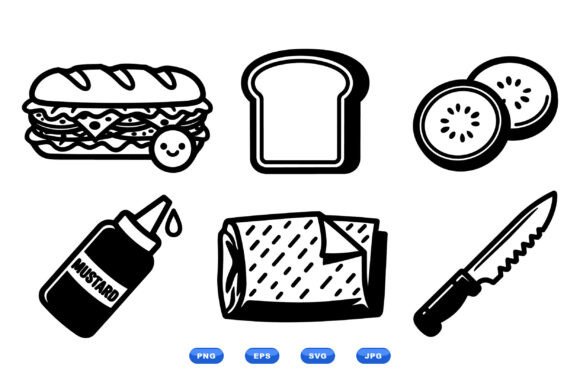
When you first pull up the files included in the Retro Deli Sandwich Clipart package, the immediate takeaway is its distinct hand-drawn aesthetic. The set features a smiling sub sandwich bread slice, a kiwi, a mustard bottle, and a knife. It feels nostalgic, leaning heavily into that mid-century diner vibe that is currently dominating food branding and lifestyle decor. For an embroidery project, this specific mood is a huge advantage. Unlike rigid vector shapes that can feel sterile, the slight imperfections in the line art mimic the organic nature of thread itself.
The visual personality here is playful but structured. The characters are simple enough to be stitched clearly but detailed enough to hold interest. This balance is critical for small business owners and Etsy sellers who need designs that pop in thumbnail images but remain legible when worn or used. The vibrant nature described in the product listing suggests these assets are meant to stand out, which translates well to colorful thread palettes often used in custom apparel and boutique branding.
Real-World Application: From Screen to Stitch
Let’s talk about where this design actually lives. I recently considered using a similar retro deli theme for a batch of custom embroidered aprons for a local coffee shop client. The goal was to create a cohesive brand identity that felt warm and inviting. Retro Deli Sandwich Clipart fits perfectly into this scenario. The individual elements—the mustard bottle, the knife, the sandwich—can be treated as standalone icons or combined into a larger narrative scene.
Imagine a tote bag design featuring just the smiling sandwich slice centered on the canvas. Or perhaps a sweatshirt embroidery placement on the back pocket featuring the entire icon set arranged in a playful border. These items are staples for craft business inventory. They are high-margin, low-return-risk products because they appeal to a broad demographic. Whether you are targeting small shop product buyers looking for kitchen accessories or creative entrepreneurs building a lifestyle brand, this graphic offers versatility.
Furthermore, the inclusion of SVG, EPS, PNG, and other formats in the downloadable ZIP package means you are not locked into one workflow. You can use the vector files for cutting vinyl if you are mixing techniques, or use the raster images for mockups. However, our focus here is strictly on the machine embroidery design potential. The clean lines of the original artwork provide a solid foundation for digitizing, assuming the converter understands the intent behind the curves.
Performance in Embroidery Situations
How does Retro Deli Sandwich Clipart perform under the needle? Generally, line art and cartoon-style graphics translate beautifully to embroidery because they rely on outlines rather than complex shading. This makes them excellent candidates for applique design techniques as well. If you are layering fabric pieces, the bold shapes of the sub sandwich and kiwi provide clear boundaries for your satin stitches.
For commercial embroidery projects, clarity is king. Customers trust brands that present professional finishes. A blurry or poorly defined logo can make a handmade product feel cheap. By using a design with strong, recognizable silhouettes like this deli set, you ensure that your finished product maintains its integrity even from a distance. This is particularly important for embroidered patch applications or logos on caps and hats where space is limited.
I also see great potential in holiday embroidery collections. Think about a Thanksgiving or summer picnic theme. The food-related icons fit naturally into seasonal narratives without feeling forced. A set of embroidered tea towels featuring these cheerful deli items could easily become a bestseller during the fall season. The design assets provided are robust enough to support such thematic expansions.
Where to Exercise Caution
Despite its strengths, no design is perfect for every surface. There are specific scenarios where Retro Deli Sandwich Clipart might struggle if not handled with care. First, avoid placing intricate details on curved surfaces like baseball caps unless you are using a specialized cap frame and have tested the tension extensively. The smile on the sandwich face needs enough room to breathe; compressing it onto a small curve can distort the expression.
Second, be wary of using this design on textured or stretchy fabrics without proper stabilization. While the lines are bold, fine details within the mustard bottle label or the knife handle could get lost in the weave of a heavy denim or a slubby linen. Always test on scrap fabric first. Additionally, dark fabrics require a dense underlay or a light-colored base fabric to prevent the thread colors from looking dull. If you are stitching directly onto black cotton, you may find that the contrast isn't quite what you envisioned.
Practical Designer Notes for Success
To get the most out of this embroidery file, follow these practical steps. Start by reviewing the stitch density. Line art often requires a running stitch or a narrow satin stitch. If the digitization is too dense, the fabric will pucker, ruining the handmade product feel. Check the hoop size requirements to ensure the design fits your intended garment or accessory.
Thread color selection is crucial. The "vibrant" description in the product info suggests bright colors, but in embroidery, brightness comes from contrast. Use high-quality threads that reflect light well. Test your design in a black-and-white mockup to check the value distribution. If the image looks flat in grayscale, it will likely lack depth in color.
Also, consider the stabilizer choice. For lightweight fabrics like kitchen towels or baby clothes, a tear-away stabilizer might be sufficient. For heavier items like custom apparel or denim tote bags, a cut-away stabilizer will provide better longevity, especially for items that need frequent washing. Remember to inspect small details after stitching. Sometimes, what looks like a tiny dot on screen needs to be slightly enlarged in the digitization process to register correctly on fabric.
Final Verdict
Retro Deli Sandwich Clipart is a strong contender for designers looking to add a touch of whimsical nostalgia to their portfolio. It bridges the gap between digital graphics and physical textiles effectively. Its clean lines and charming characters make it suitable for a wide range of applications, from personalized gifts to large-scale brand consistency efforts. Just remember to respect the limitations of the medium. Test thoroughly, choose your materials wisely, and let the quality of your stitching speak for itself. For any digital product seller or maker aiming for professionalism, this set provides a reliable, appealing foundation for creating memorable embroidery projects.