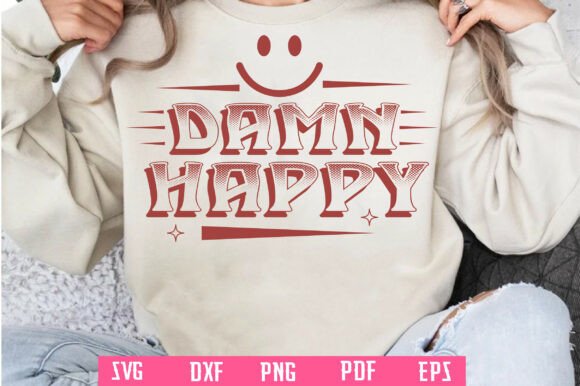
Review: Trendy Retro Happy PNG for Embroidery Projects
As a designer who spends more time than I care to admit staring at stitch density charts and debating thread color palettes, I have learned that the success of an embroidery project often hinges on the source file. It is not just about having a machine that can read the code; it is about having a design that translates beautifully from a digital screen to physical fabric. Today, I am evaluating a file titled Trendy Retro Happy PNG, Motivational PNG. While the title suggests a graphic asset rather than a native digitized embroidery file, the intent is clear: this is a visual concept meant to be adapted or printed onto handmade goods. My goal here is to break down how this specific aesthetic performs in real-world crafting scenarios, particularly for those of us selling custom apparel, personalized gifts, or boutique merchandise.
First Impressions and Visual Personality
The moment you load the Trendy Retro Happy PNG, Motivational PNG into your design software, the mood is immediately established. The "retro" aspect typically implies a vintage color palette—think muted teals, mustard yellows, or dusty pinks—and typography that borrows from mid-century modern or 70s surf aesthetics. For an embroidery designer, this is both a blessing and a challenge. The visual personality is cheerful, optimistic, and highly marketable. It evokes feelings of nostalgia and warmth, which are powerful drivers for customer engagement on platforms like Etsy or at craft fairs.
However, as a reviewer, I must look past the charm. The term "PNG" indicates a raster image, meaning it lacks the vector precision required for clean satin stitches without significant manual intervention. If you plan to use this as a direct machine embroidery design, you will likely need to trace the shapes manually to create proper stitch density and avoid muddy overlaps. The "motivational" text component is crucial here. In embroidery, text is where designs often fail. If the lettering in this PNG is intricate, script-based, or heavily stylized, it may become illegible when stitched at smaller scales. Conversely, if it is bold and blocky, it offers excellent potential for high-contrast satin stitch work.
Real-World Application: From Screen to Stitch
To understand the true value of this design, let’s place it in a practical scenario. Imagine you are preparing a batch of custom embroidered tote bags for a local farmers' market or an online shop. You want a product that appeals to the eco-conscious, creative demographic. The Trendy Retro Happy PNG, Motivational PNG fits this niche perfectly. The retro vibe aligns with sustainable fashion trends, and the positive message adds emotional value to the handmade product.
In this context, the design could be executed in two ways. First, as a direct embroidery motif. Here, you would digitize the core elements—the main shape and the key words—using fill stitch for the background shapes and running stitch for fine details. This approach highlights the craftsmanship and justifies a higher price point. Second, you might use the PNG as a reference for a print-and-stitch hybrid. You could screen-print the complex background pattern onto the fabric and then embroider only the central motivational text or logo over it. This method preserves the detail of the original graphic while leveraging the texture of embroidery.
This versatility makes the design suitable for a wide range of custom apparel items. Beyond tote bags, consider its application on crewneck sweatshirts, baby onesies, or even kitchen tea towels. The retro aesthetic works exceptionally well on natural fibers like cotton canvas or linen, where the fabric texture complements the vintage feel. For a personalized gift, adding a recipient’s name in a complementary font below the main graphic can elevate the item from a generic craft supply to a cherished keepsake.
Where Caution Is Required
While the aesthetic is strong, there are specific areas where this design requires careful handling. Not all surfaces are created equal, and the Trendy Retro Happy PNG, Motivational PNG has limitations depending on the substrate.
- Small Hoop Sizes: If you attempt to stitch this design in a very small hoop (under 4x4 inches), the details may get lost. The "happy" element might become a blob rather than a distinct shape. Always ensure the design scale allows for adequate separation between stitches.
- Textured and Stretchy Fabrics: Embroidering on thick fleece, terry cloth, or stretchy jersey knits can distort the precise lines of a retro graphic. Without a proper stabilizer, the fabric may pucker, ruining the clean lines that make the retro style appealing. A cut-away stabilizer is often necessary for these materials.
- Dense Stitch Areas: If the original PNG has large solid blocks of color, converting them directly to embroidery fill can result in excessive bulk. This is particularly problematic for embroidered patches or garments worn close to the skin, such as baby clothes. Excessive density can lead to needle breakage and poor drape.
- Curved Surfaces: Applying this design to caps or curved hat panels requires advanced digitizing skills to compensate for the curvature. Flat designs often appear distorted when wrapped around a dome shape.
Impact on Brand and Customer Trust
For Etsy sellers and small business owners, the quality of the underlying design directly impacts perceived value. A sloppy digitization job signals amateurism, whereas a clean, well-executed embroidery project builds trust. The Trendy Retro Happy PNG, Motivational PNG offers a strong foundation for brand consistency. Its recognizable aesthetic helps customers instantly identify your style. When buyers see a cohesive collection of retro-themed items—perhaps matching aprons and pillow covers—they are more likely to engage with your brand and return for future purchases.
Furthermore, the motivational aspect of the design taps into the emotional purchasing decisions many crafters make. People buy these items not just for utility, but for the feeling they evoke. A well-stitched "Happy" graphic on a nursery wall hanging or a bedroom pillow can serve as a daily reminder of positivity, making it a popular choice for wedding gifts or holiday embroidery presents. By ensuring the execution is professional, you honor that emotional connection.
Practical Designer Notes for Execution
Before committing to a full production run, I recommend following these practical steps to ensure the Trendy Retro Happy PNG, Motivational PNG performs as expected:
- Test on Scrap Fabric: Never assume a design will work on your final material. Stitch out the design on scraps of the actual fabric you plan to use. This reveals issues with puckering, tension, or color blending that simulations cannot predict.
- Check Thread Color Contrast: Retro palettes often rely on subtle contrasts. Ensure your chosen thread colors provide enough contrast against the fabric background. On dark fabrics, light threads may require underlay stitches to pop, while on light fabrics, dark threads might show every imperfection.
- Review Stitch Density: Manually inspect the digitized file for dense areas. If the design feels too heavy, reduce the density or switch to a lighter fill pattern. This improves the drape and comfort of the finished garment.
- Confirm Licensing: Since this is a PNG file, verify the commercial usage rights. Even if you are creating a unique embroidery adaptation, using a purchased graphic for mass production requires appropriate licensing. Check the terms before listing your commercial embroidery products.
- Use Proper Stabilizer: Match the stabilizer to the fabric weight. Light fabrics need lightweight tear-away or wash-away stabilizers, while heavy canvas may require cut-away stabilizers for long-term durability.
In conclusion, the Trendy Retro Happy PNG, Motivational PNG is a versatile and emotionally resonant design asset. With careful digitization and attention to fabric selection, it can transform into a high-quality finished product that stands out in the crowded craft market. It is ideal for designers who understand that successful embroidery is as much about thoughtful preparation as it is about technical skill.